Advanced Surgical Oncology for Comprehensive Cancer Care
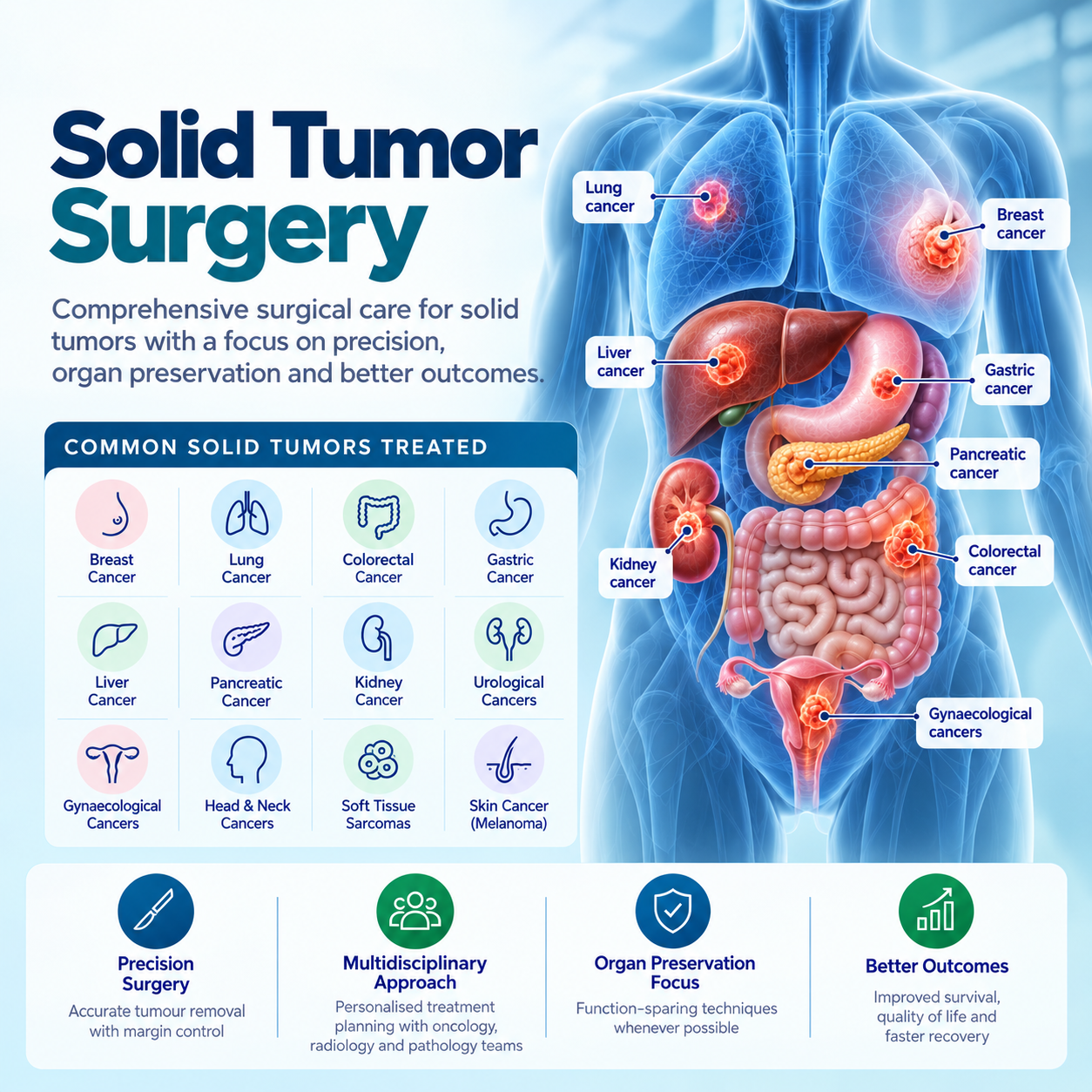
Precision-driven cancer surgery with minimally invasive, robotic and organ-preserving approaches, supported by multidisciplinary expertise.
Precision-driven cancer surgery with minimally invasive, robotic and organ-preserving approaches, supported by multidisciplinary expertise.
.png)
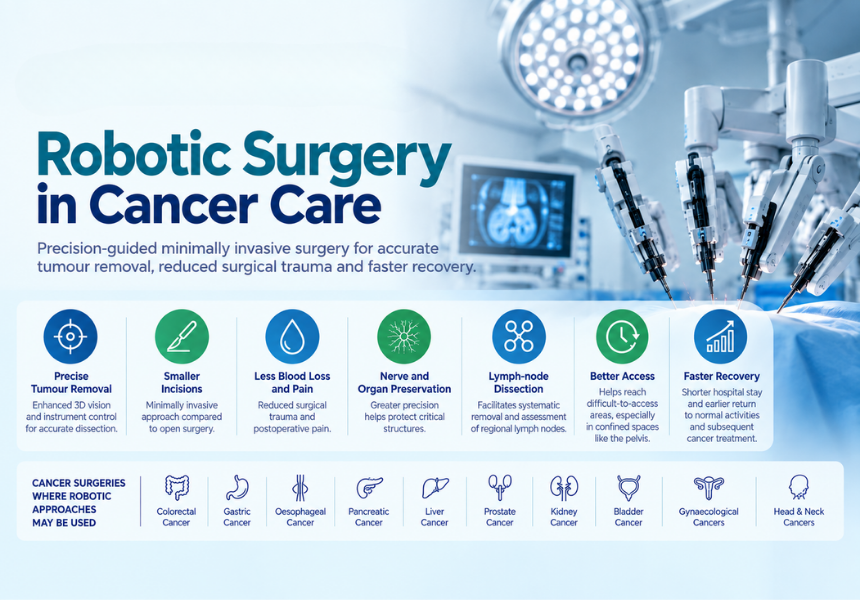
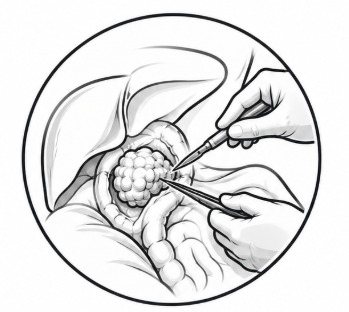
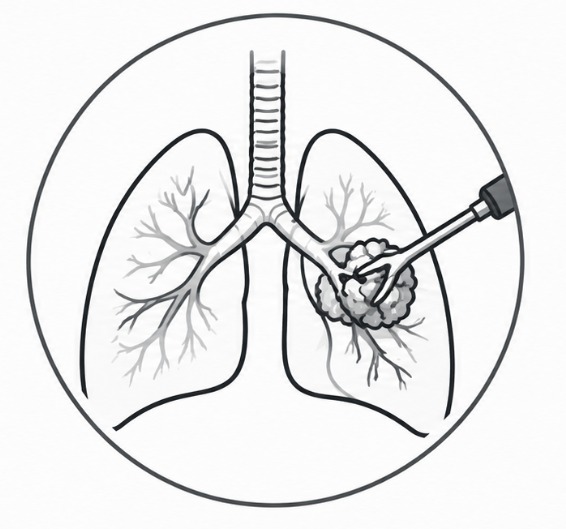
Minimally invasive, precision-guided cancer surgery designed to support effective tumour removal, organ preservation and faster recovery.
.png)
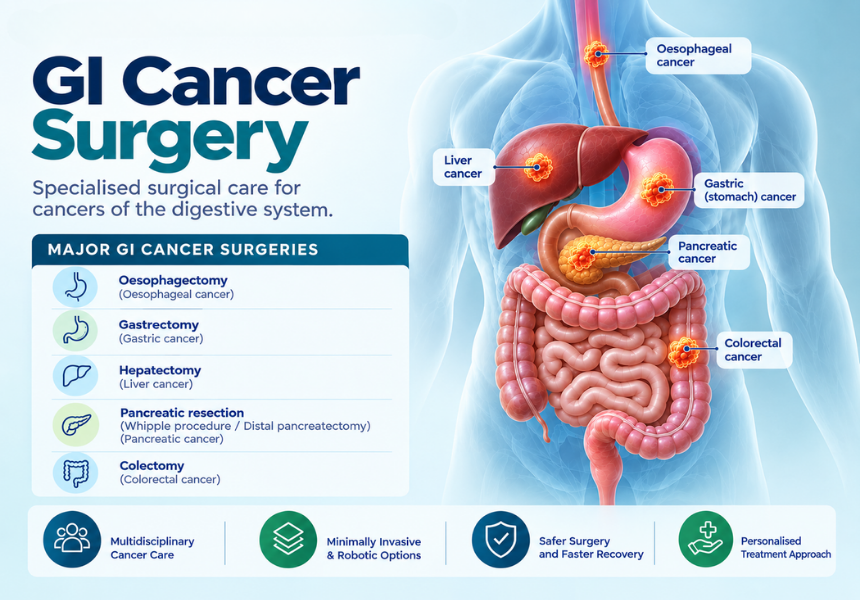
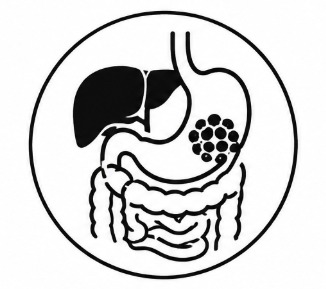
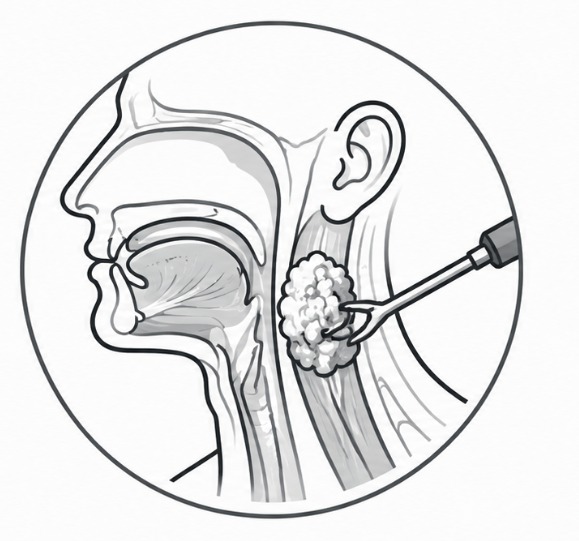
Specialised surgical management of GI cancers with a focus on precision, minimally invasive techniques and personalised treatment.
.png)
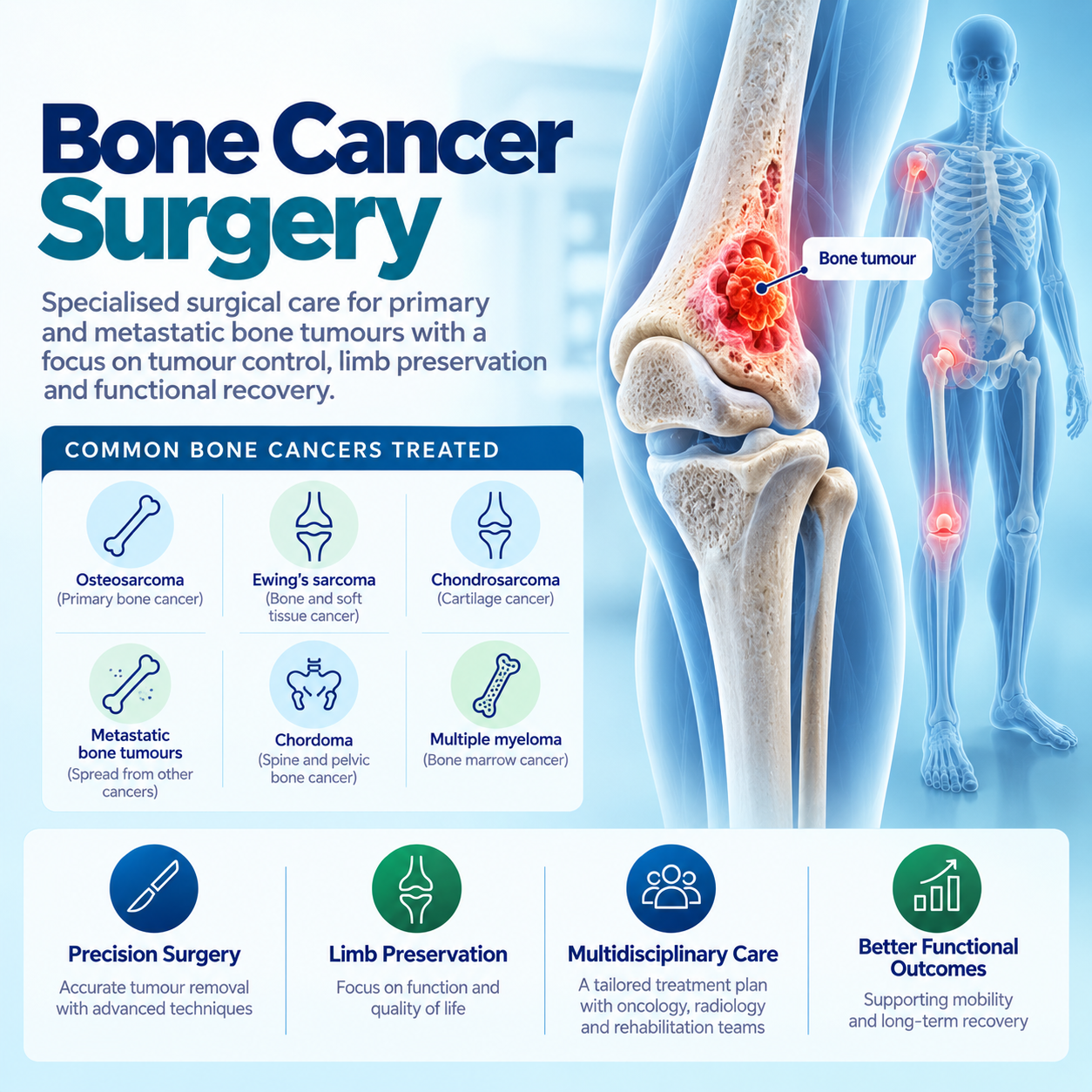
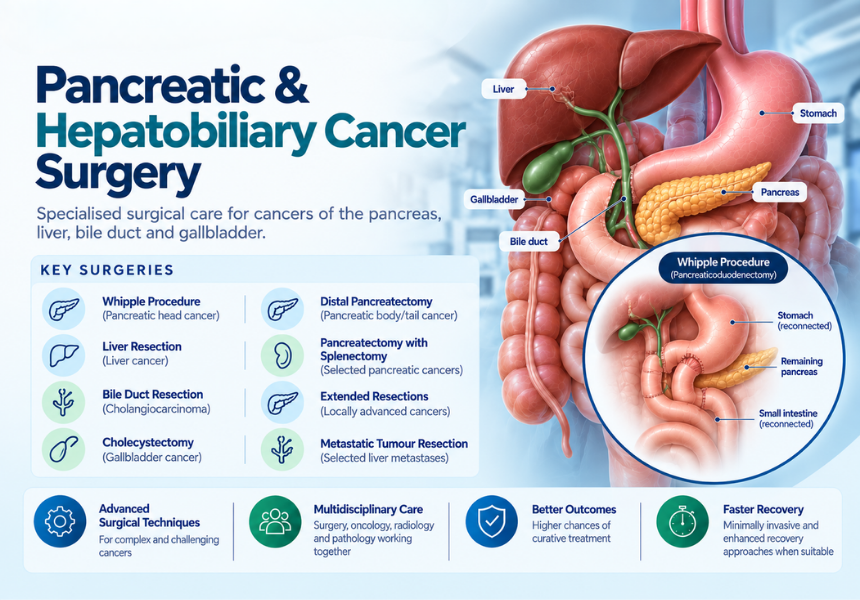
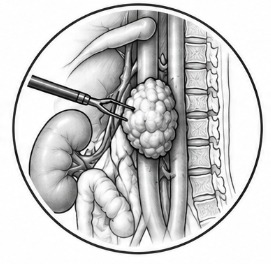
Specialized surgical care for pancreatic, liver, bile duct and gallbladder cancers, combining precision techniques with multidisciplinary expertise.

Multidisciplinary care focused on better cancer outcomes

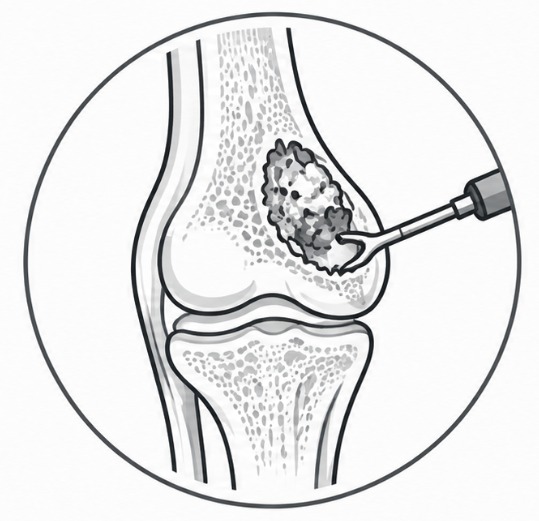
Specialised surgical care focused on precise tumour removal, functional preservation and multidisciplinary cancer treatment.
.jpeg)


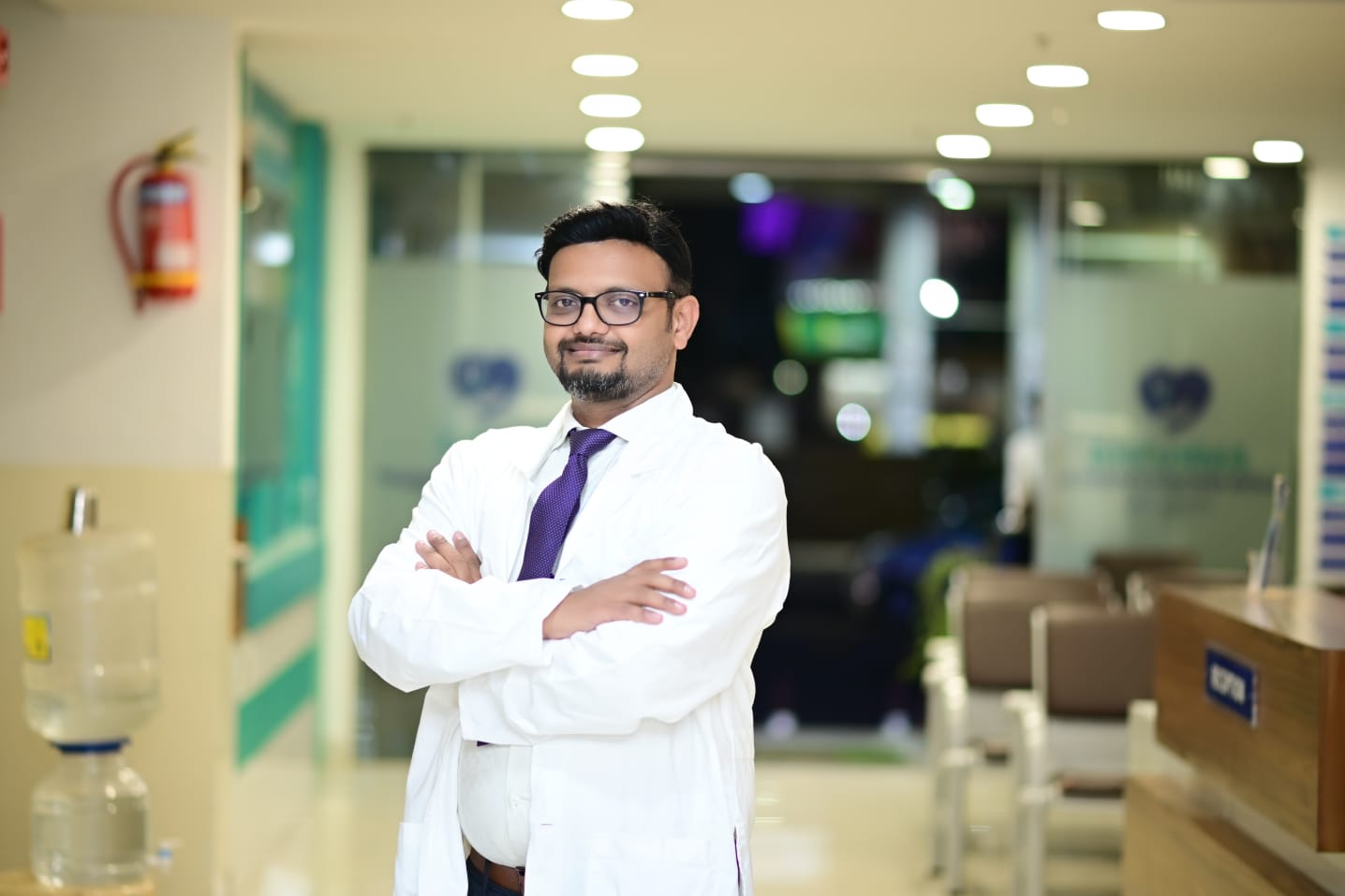
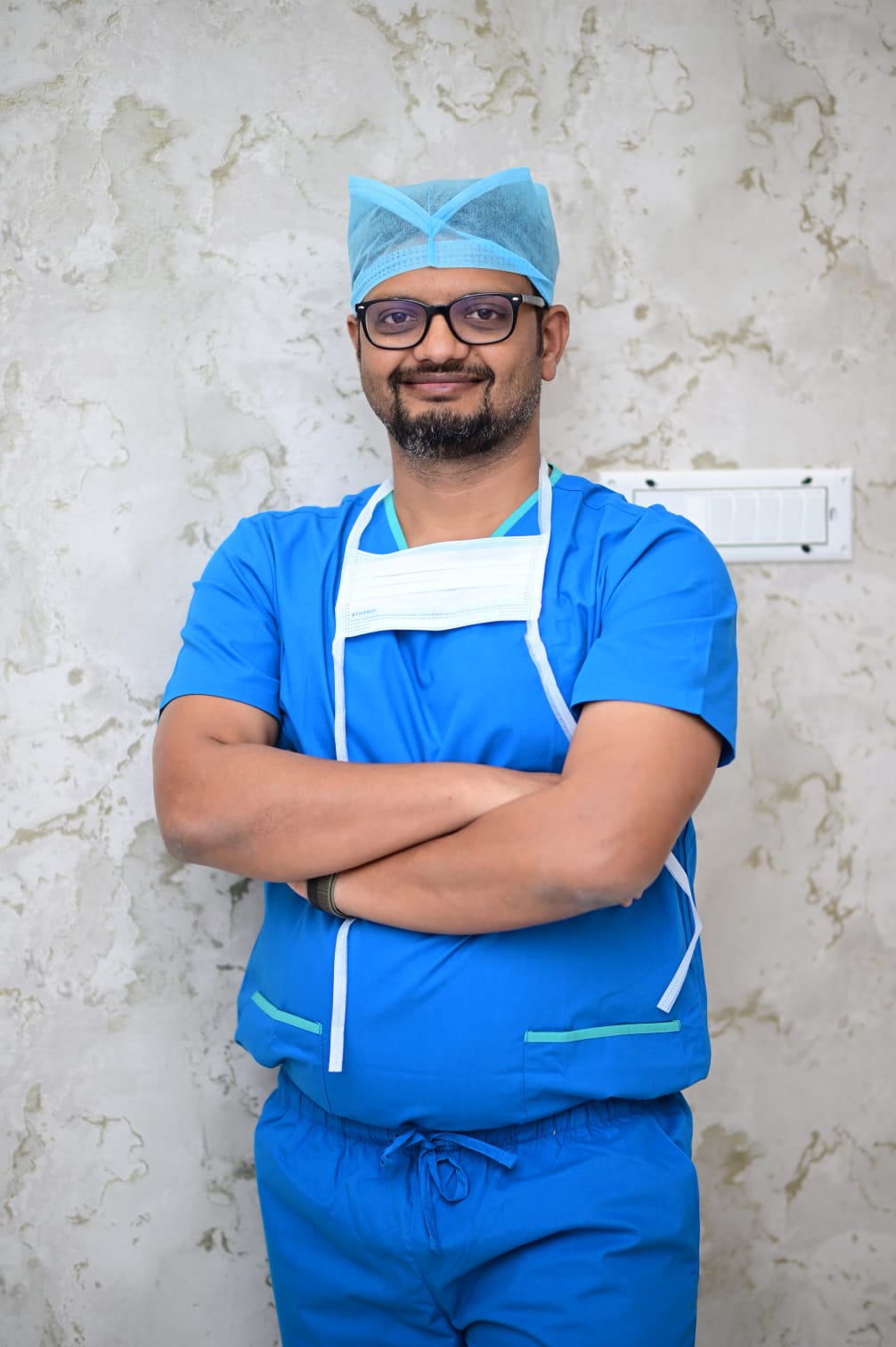
Dr. Dharma’s professional vision is centred on delivering comprehensive, coordinated and patient-focused cancer care through multidisciplinary treatment. His immediate goals include strengthening collaboration between surgical oncology, medical oncology, radiation oncology and palliative medicine so that patients benefit from an integrated approach to cancer management. He also emphasises the importance of early detection through structured screening programmes for cervical, breast and colorectal cancers, reflecting his belief that cancer outcomes can be improved through timely diagnosis.
His broader vision includes developing outreach centres, cancer awareness and education initiatives, nutrition support, post-surgical rehabilitation, physiotherapy, speech and swallow therapy, and dedicated stoma care. Over the longer term, he aims to contribute to surgical oncology education through training programmes, fellowships and MCh/DNB programmes, while strengthening clinical research and cancer data systems. His plans also include developing cancer registries, genetic clinics and preventive oncology initiatives.
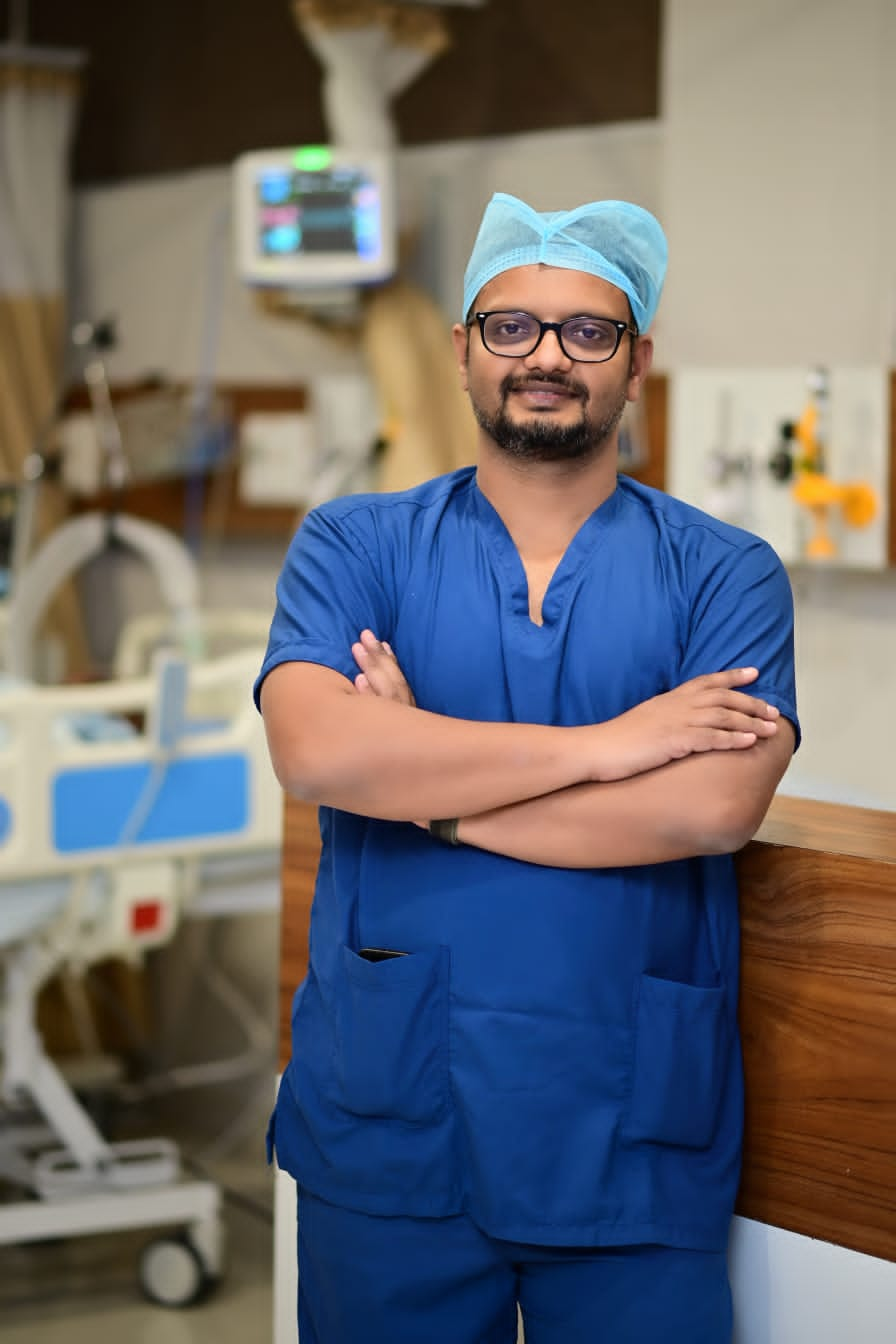
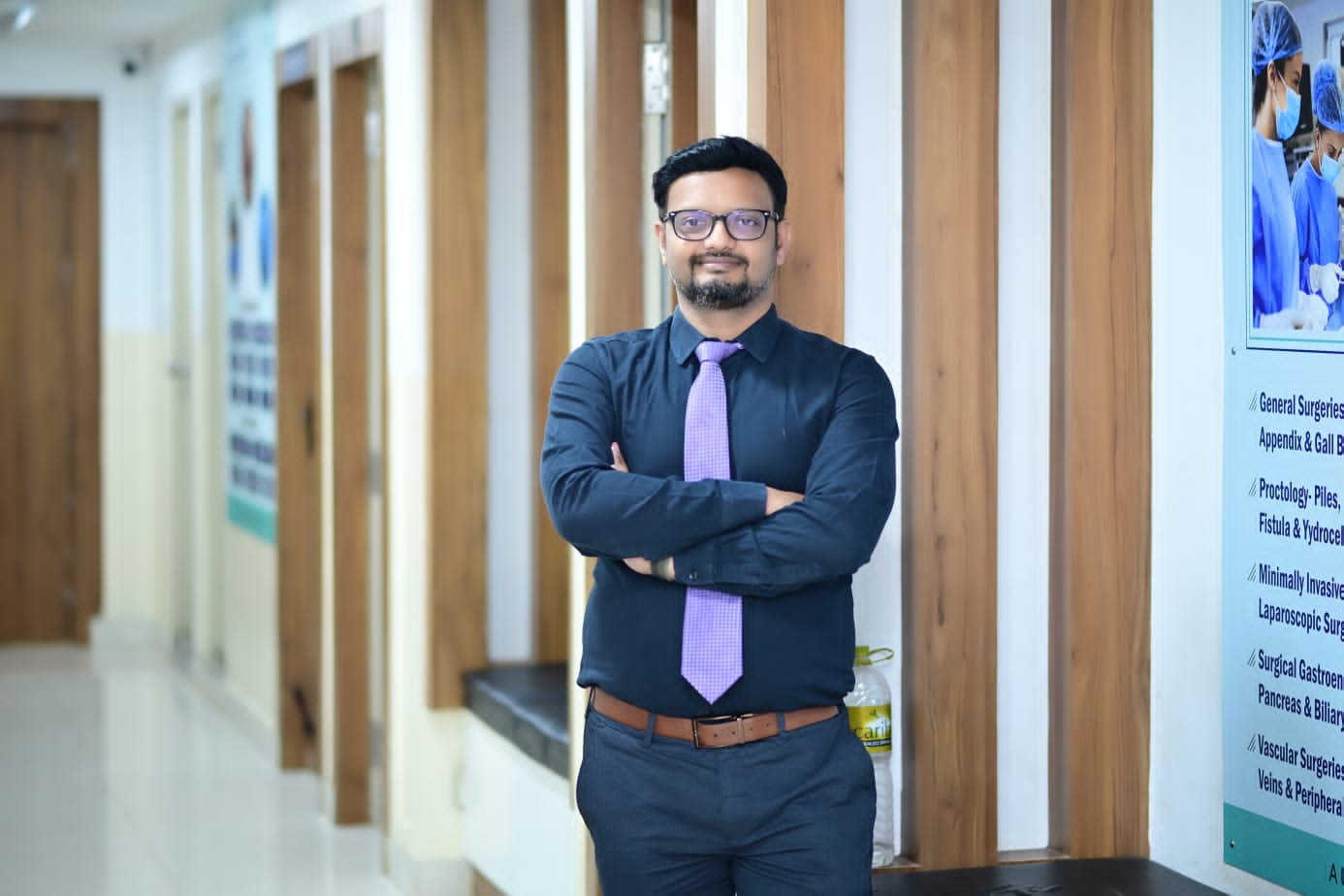
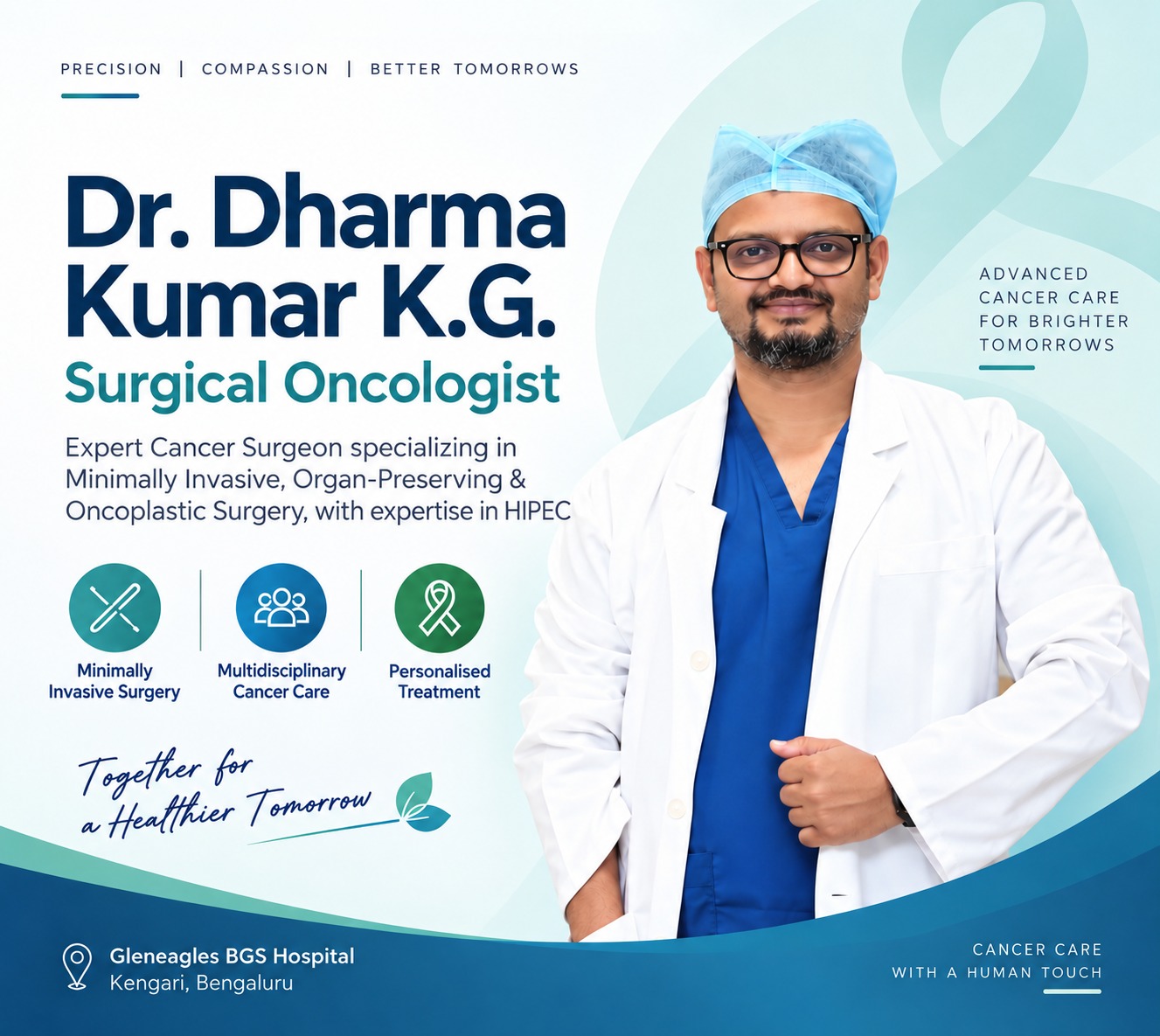
With experience across high-volume cancer centres in India, Dr. Dharma has worked across multiple subspecialties of oncosurgery and independently performs major oncological procedures. His particular interest lies in gastrointestinal oncology, especially upper GI and colorectal surgery, while his current practice also encompasses breast, gynaecological, head and neck and other cancer surgeries. He is additionally pursuing advancement in minimally invasive and robotic surgical techniques.
Advanced, Integrated Care for Every Cancer Journey

Surgical Oncologist
Stay informed with our latest updates, posts, announcements, and healthcare news
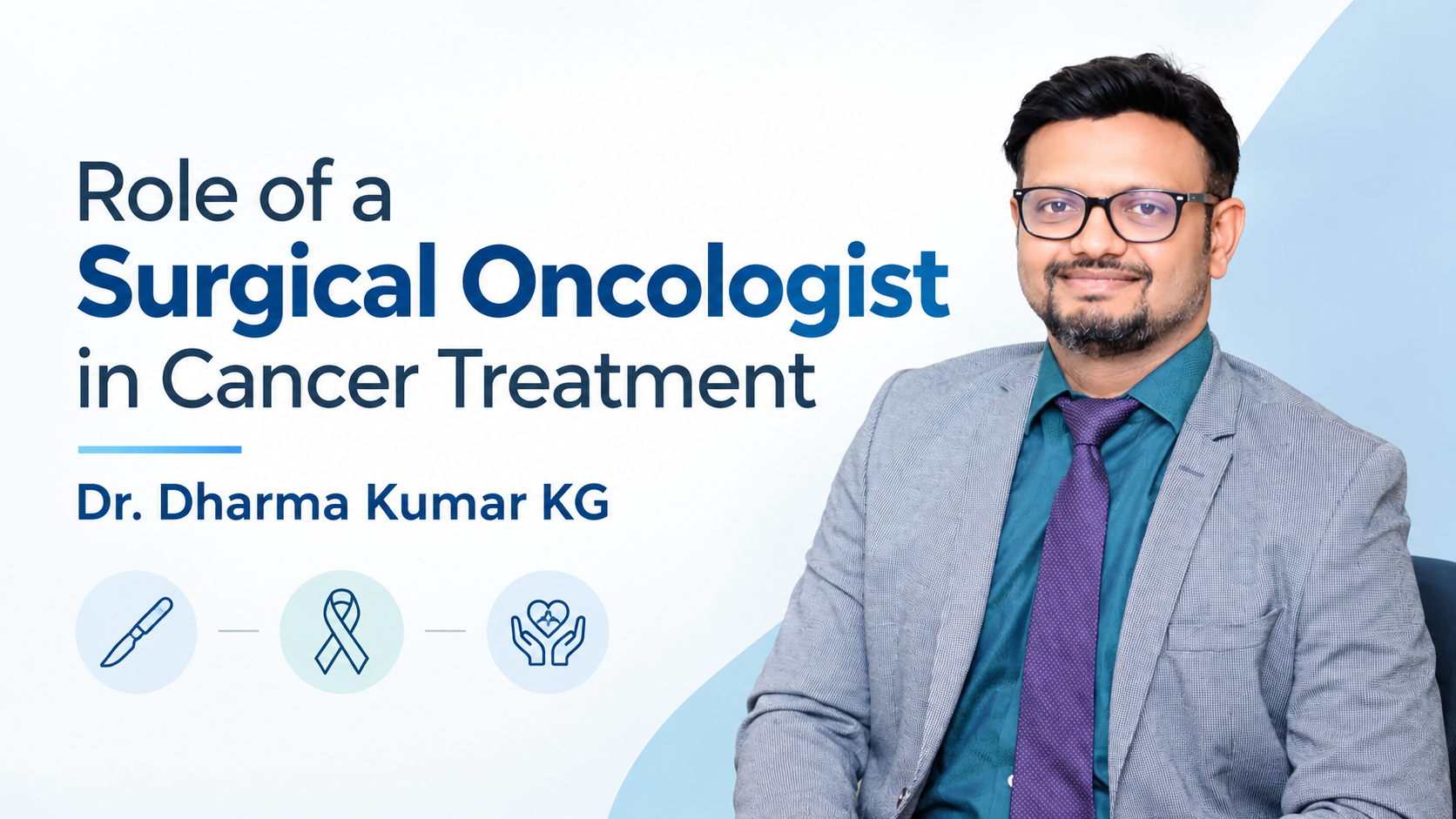
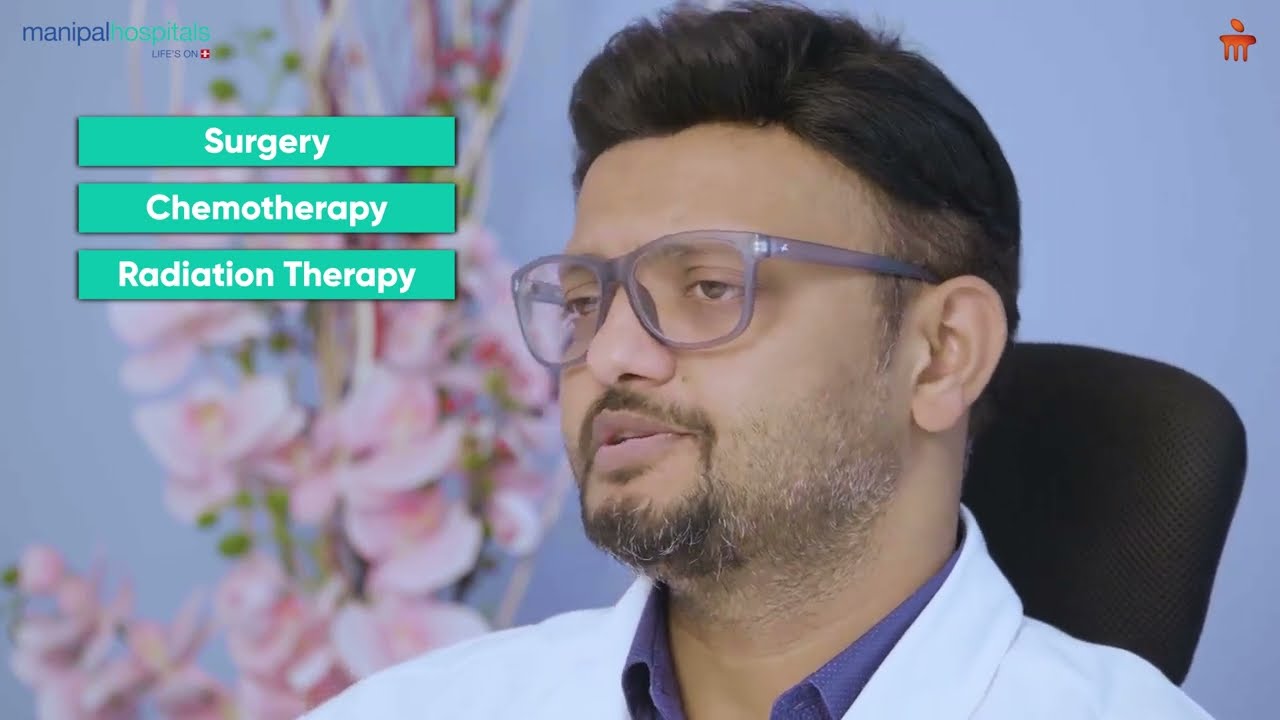
Our Latest Videos


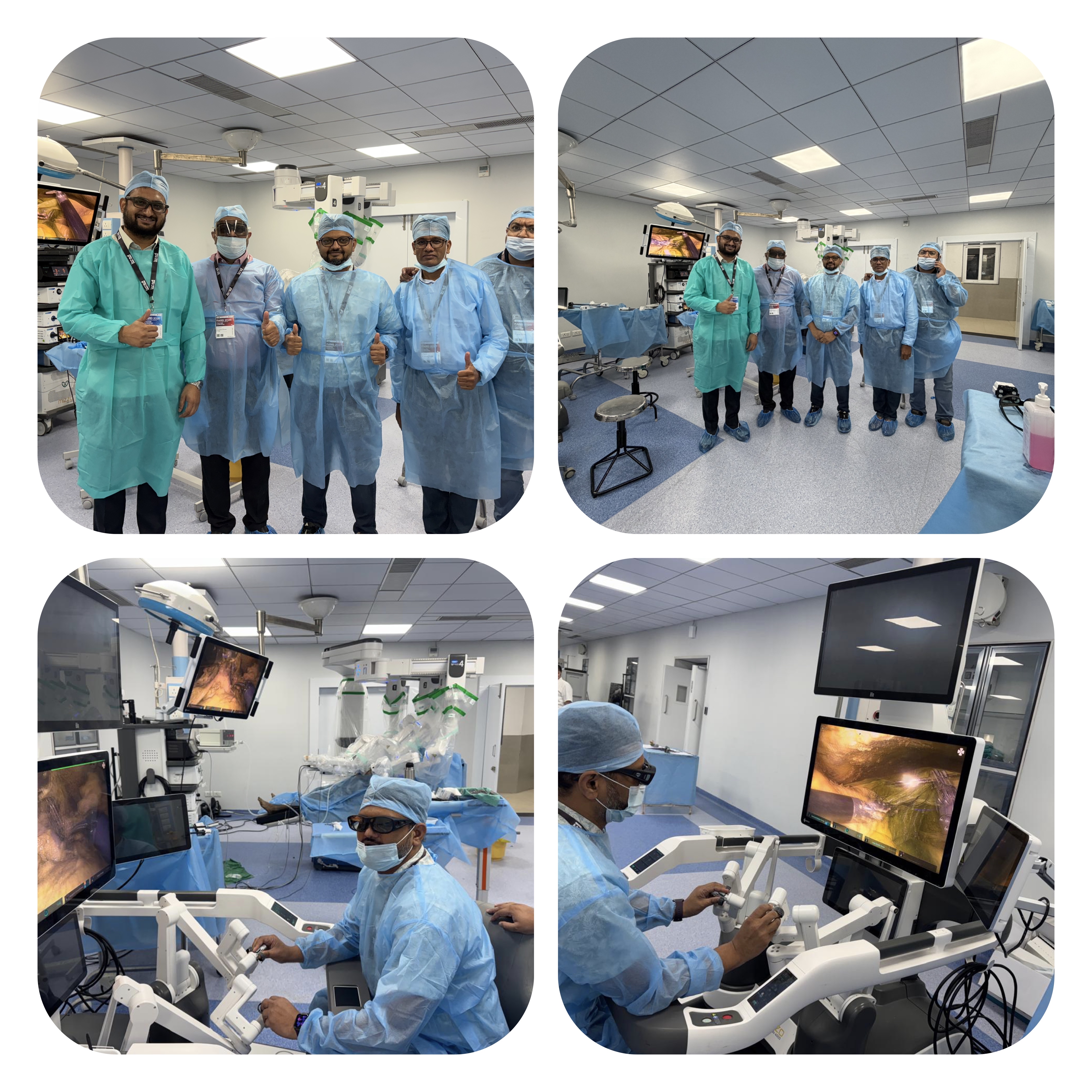
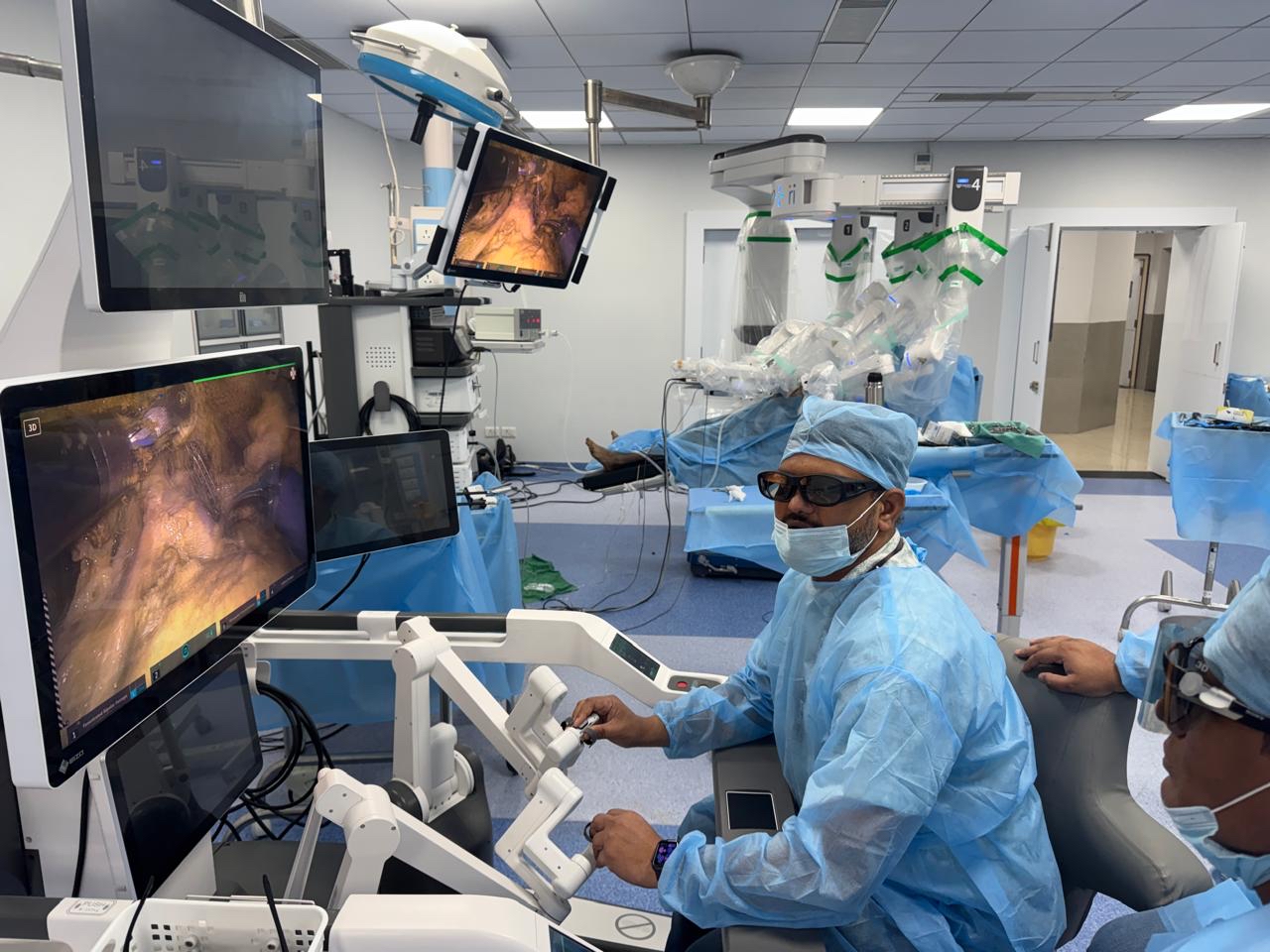
Explore our gallery of images and moments


Need Answers? Find them here...
11. How is the need for cancer surgery determined?
The need for surgery is determined after considering several factors, including the cancer type, biopsy or pathology findings, stage, tumour size and location, involvement of lymph nodes or nearby structures, and the patient's general health. Previous treatments may also influence the decision. Imaging studies and other investigations help establish the extent of disease. The surgical oncologist then evaluates whether the tumour can be safely and adequately removed and how surgery would fit with chemotherapy, radiation or other treatments.
20. Why is early evaluation important when cancer is suspected?
Early evaluation can help establish a diagnosis, determine the extent of disease and identify appropriate treatment options without unnecessary delay. Depending on the suspected cancer, evaluation may involve clinical examination, imaging, laboratory investigations, endoscopy, biopsy and pathological assessment. Once the diagnosis and stage are established, the treatment plan can be developed according to the patient's specific circumstances. Timely consultation is particularly important when persistent or concerning symptoms are present, because appropriate investigation allows treatment decisions to be made systematically.
19. What does post-surgery rehabilitation involve after cancer treatment?
Post-surgery rehabilitation focuses on helping patients recover function and adapt following cancer surgery. Depending on the procedure, rehabilitation may include physiotherapy, mobility support, nutritional guidance, speech and swallow therapy, wound or stoma care and other supportive measures. The requirements vary significantly according to the type of surgery and individual recovery. Dr. Dharma Kumar K.G's professional vision includes post-surgical rehabilitation, physiotherapy, speech and swallow therapy, nutrition support and dedicated stoma care as components of comprehensive cancer care.
18. Does Dr. Dharma Kumar K.G perform breast cancer surgery?
Yes. Breast cancer surgery is among the surgical oncology services offered by Dr. Dharma Kumar K.G. Depending on the patient's diagnosis and treatment requirements, surgical planning focuses on appropriate cancer removal while considering breast conservation and reconstruction or oncoplastic principles where clinically suitable. Dr. Dharma has also received training in breast oncoplastic surgery. The recommended procedure depends on tumour characteristics, imaging, pathology, breast anatomy and other planned treatments, and is discussed individually during the surgical oncology consultation.
17. What qualifications and experience does Dr. Dharma Kumar K.G have?
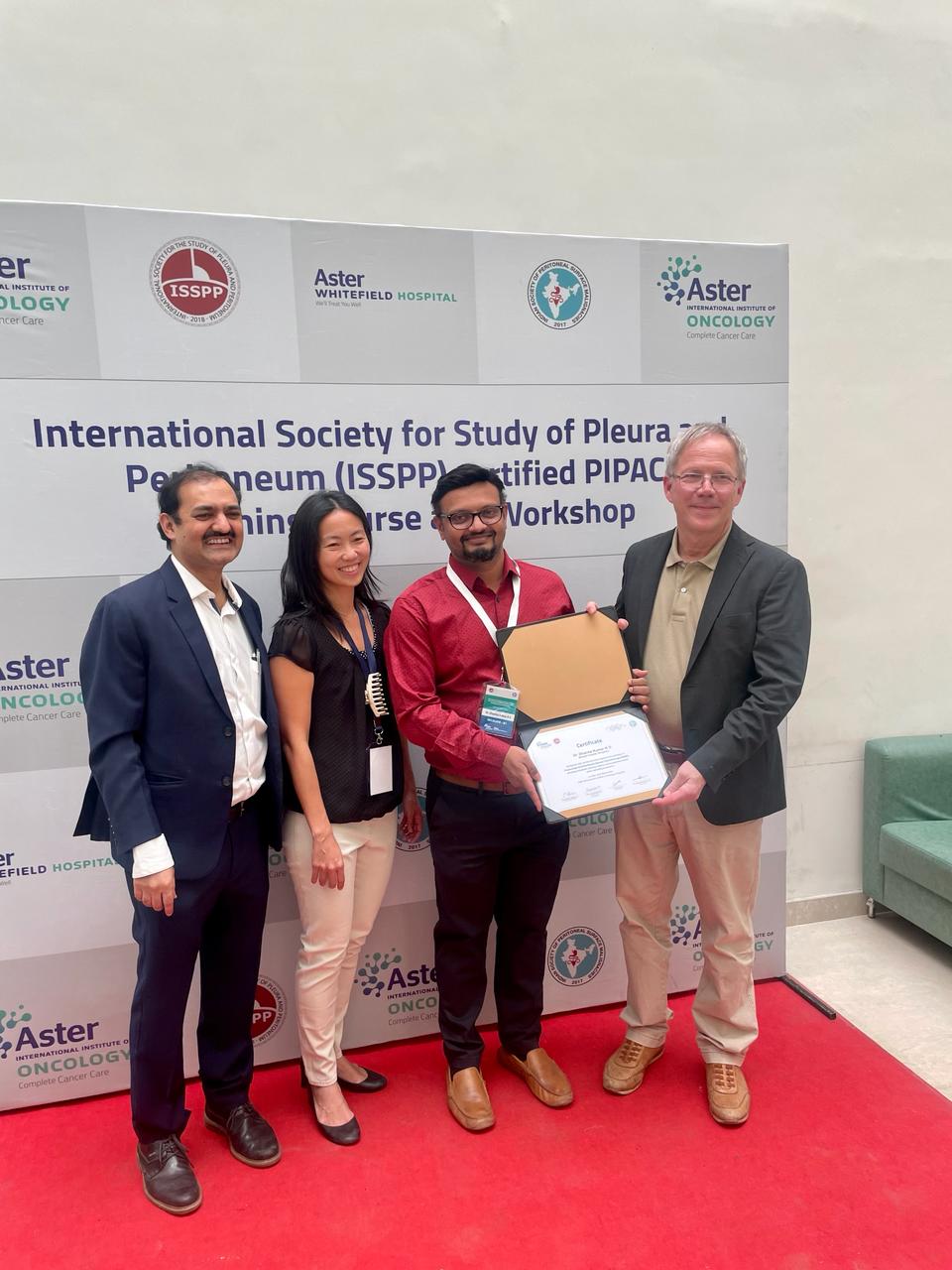
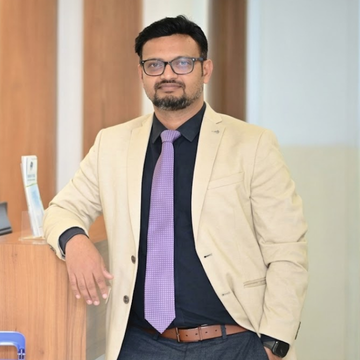
Dr. Dharma Kumar K.G is a Consultant Surgical Oncologist with 15 years of experience in oncosurgery, including 10 years as an independent consultant Oncosurgeon. He completed his MBBS and MS in General Surgery from VIMS, Bellary, followed by an M.Ch. in Surgical Oncology from Tata Memorial Centre, Mumbai, under Homi Bhabha National Institute. His professional experience includes Tata Memorial Hospital, AIIMS New Delhi and Rajiv Gandhi Cancer Institute and Research Centre.
16. What cancers does Dr. Dharma Kumar K.G specialise in surgically?
Dr. Dharma Kumar K.G's surgical oncology practice covers multiple cancer subspecialties, including gastrointestinal, colorectal, breast, gynaecological, thyroid, head and neck, paediatric solid tumours, and bone and soft tissue tumours. His particular clinical interest is gastrointestinal oncology, especially upper gastrointestinal and colorectal surgery. He also provides minimally invasive oncology surgery and is pursuing advancement in robotic surgical techniques. The appropriate treatment depends on the individual cancer diagnosis, stage, anatomy and overall clinical circumstances.
15. Is cancer screening part of surgical oncology care?
Cancer screening and preventive oncology form part of Dr. Dharma Kumar K.G's stated services. Screening aims to identify certain cancers or precancerous changes at an earlier stage, when appropriate evaluation and treatment may improve outcomes. The appropriate screening programme depends on factors such as age, sex, family history, risk factors and applicable clinical guidelines. Dr. Dharma's professional vision particularly emphasises structured screening programmes for cervical, breast and colorectal cancers, alongside awareness and timely diagnosis.
14. What is multidisciplinary cancer care?
Multidisciplinary cancer care involves specialists from different fields working together to develop and coordinate an individual's treatment plan. Depending on the patient's needs, this may include surgical oncology, medical oncology, radiation oncology, pathology, radiology and supportive-care specialists. This approach helps integrate different treatment modalities rather than considering surgery in isolation. Dr. Dharma Kumar K.G's professional vision emphasises coordinated, patient-focused cancer care and collaboration across relevant specialties to support comprehensive cancer management and personalised treatment planning.
13. Can cancer surgery be performed using minimally invasive techniques?
Selected cancer operations can be performed using minimally invasive techniques, including laparoscopic or other specialised approaches. Whether such a technique is appropriate depends on the cancer type, tumour size and location, stage, anatomical considerations and the specific operation required. Minimally invasive surgery should not compromise adequate tumour removal or oncological principles. Dr. Dharma Kumar K.G has experience in minimally invasive oncology surgery and is focused on advancing his expertise in robotic surgery. Each case therefore requires individual assessment before selecting the surgical approach.
12. What happens during a surgical oncology consultation?
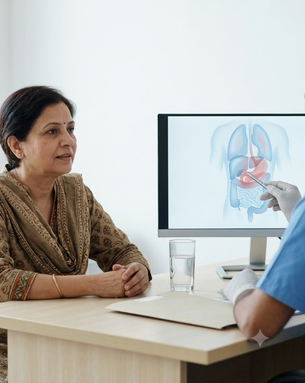
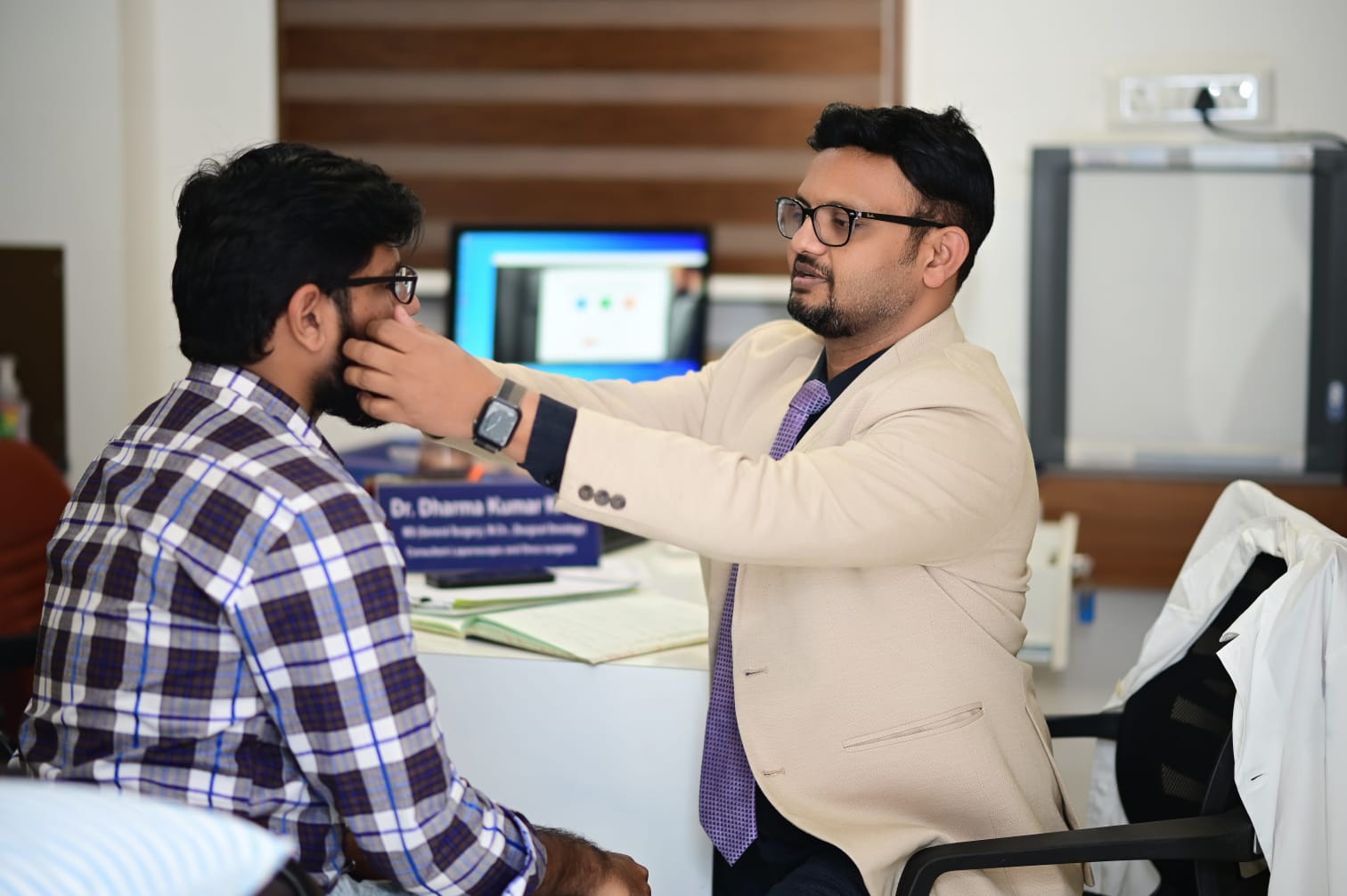
A surgical oncology consultation generally begins with a detailed review of the patient's symptoms, diagnosis, previous treatment and medical history. Relevant biopsy reports, pathology findings and imaging are assessed to understand the cancer and its extent. The surgeon then discusses whether surgery may be appropriate, the possible procedure, expected benefits, potential risks and alternatives. When necessary, further investigations may be recommended. The consultation may also involve multidisciplinary planning with medical oncology, radiation oncology and other specialists to coordinate comprehensive cancer care.
1. What does a surgical oncologist do?
A surgical oncologist specialises in the surgical management of cancer. Depending on the type, stage and location of cancer, surgery may be used to remove a tumour, obtain tissue for diagnosis, control local disease or relieve symptoms. Surgical oncology may involve procedures across the gastrointestinal tract, colorectal region, breast, thyroid, head and neck, gynaecological organs and other sites. Treatment planning is often coordinated with medical and radiation oncologists to develop an integrated cancer-care strategy suited to the individual patient.
10. Does every cancer require surgery?
No. Surgery is an important treatment modality for many cancers, but it is not appropriate or necessary in every case. Depending on the cancer type and stage, treatment may involve surgery, chemotherapy, radiation therapy, immunotherapy, targeted therapy, hormonal treatment or combinations of these approaches. Some cancers respond better to non-surgical treatment, while others may require surgery as the principal treatment. A surgical oncology consultation helps determine whether an operation has a meaningful role within the patient's overall, multidisciplinary cancer-management plan.
9. What is robotic cancer surgery?
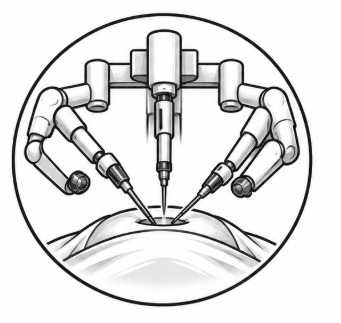
Robotic cancer surgery is an advanced form of minimally invasive surgery in which specialised robotic instruments are controlled by the surgeon. The technology can provide enhanced visualisation and precise instrument movement during selected procedures. It is not a separate type of cancer treatment; rather, it is a surgical technique that may be appropriate for certain patients and tumour types. The decision to use robotic surgery depends on cancer location, stage, operative requirements, available expertise and patient-specific factors, with oncological safety remaining the priority.
8. What is minimally invasive cancer surgery?
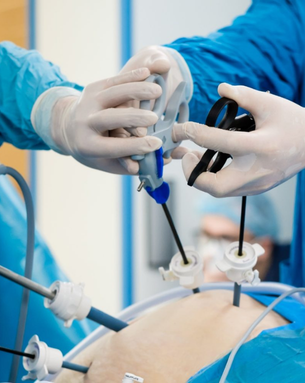
Minimally invasive cancer surgery uses smaller access points and specialised instruments to perform selected oncological procedures. Depending on the cancer and operation, this approach may potentially reduce surgical trauma, postoperative discomfort and recovery time compared with some conventional procedures. However, minimally invasive surgery is not suitable for every tumour or patient. Cancer control and safe, complete removal of disease remain the primary considerations. The appropriate approach is determined after evaluating the tumour characteristics, stage, anatomy, previous treatment and overall patient health.
7. What is thyroid cancer surgery?
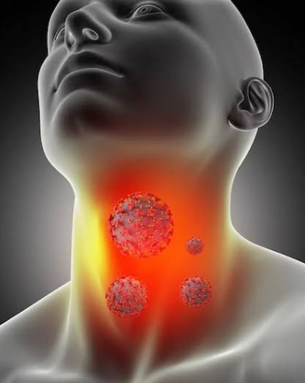
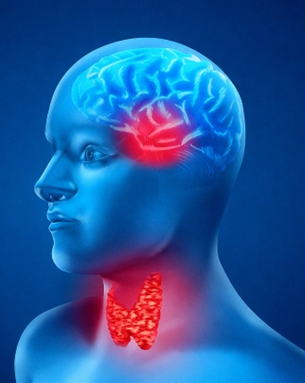
Thyroid cancer surgery involves removing part or all of the thyroid gland depending on the type, size, location and extent of the cancer. In selected cases, nearby lymph nodes may also need assessment or removal. The surgical approach is determined after reviewing imaging, cytology or biopsy findings and other clinical factors. Dr. Dharma Kumar K.G has received training in endoscopic thyroid surgery at Hanoi Medical University, Vietnam. During consultation, the appropriate surgical technique and its potential benefits, limitations and risks can be discussed.
6. What is breast oncoplastic surgery?
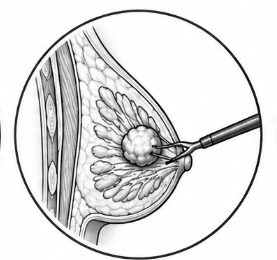
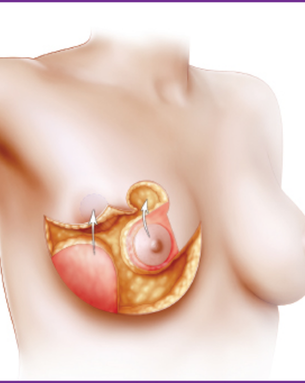
Breast oncoplastic surgery combines cancer removal with reconstructive and cosmetic principles to preserve breast shape and appearance as much as clinically appropriate. The objective remains complete removal of the cancer with adequate margins while considering the resulting breast contour. The technique selected depends on tumour size, location, breast anatomy and the overall treatment plan. Dr. Dharma Kumar K.G has received training in breast oncoplastic surgery, which forms part of his broader surgical oncology practice. Suitability is assessed individually during consultation.
5. What is colorectal cancer surgery?
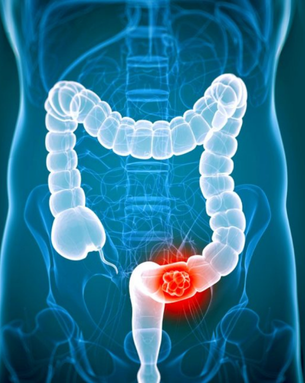
Colorectal cancer surgery is performed to remove a cancerous section of the colon or rectum, together with appropriate surrounding tissue and lymph nodes when indicated. The exact operation depends on the tumour's location, size, stage and relationship with nearby structures. In selected patients, minimally invasive techniques may be considered. Some procedures may require a temporary or permanent stoma depending on the disease and reconstruction possibilities. Treatment planning is individualised and may involve coordination with medical and radiation oncology before or after surgery.
4. What is gastrointestinal cancer surgery?
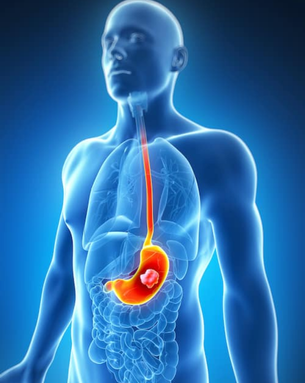
Gastrointestinal cancer surgery involves removing cancers arising in organs of the digestive system, depending on the tumour's location and extent. It may include surgery for cancers involving the oesophagus, stomach, small intestine, colon, rectum and other gastrointestinal structures. The operation can involve removal of the tumour with surrounding tissue and, where appropriate, regional lymph nodes. Surgical planning is based on pathology, imaging, cancer stage and the patient's overall condition, with multidisciplinary coordination used when chemotherapy or radiation therapy is also required.
3. What types of cancer surgery does Dr. Dharma Kumar K.G provide?
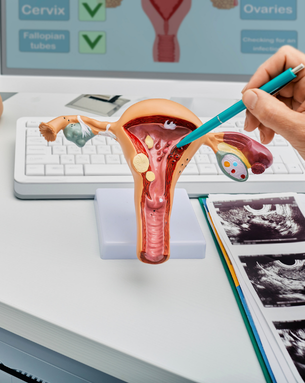
Dr. Dharma Kumar K.G provides surgical oncology consultations and cancer surgery across several subspecialties. His stated services include thyroid cancer surgery, gastrointestinal and colorectal cancer surgery, breast and breast oncoplasty surgery, gynaecological cancer surgery, and head and neck cancer surgery. His practice also includes minimally invasive and robotic cancer surgery, along with cancer screening and preventive oncology. The appropriate surgical approach depends on the tumour type, stage, anatomical location, pathology and the patient's overall clinical condition.
2. When should I consult a surgical oncologist?
A consultation with a surgical oncologist may be appropriate when cancer is suspected, diagnosed, or when surgery is being considered as part of treatment. Patients may also benefit from specialist assessment when imaging or biopsy identifies a potentially operable tumour. The consultation typically considers the pathology report, imaging, medical history, overall health and cancer stage. A surgical oncologist can explain whether surgery has a role, what the procedure may involve, and how it fits within the broader multidisciplinary treatment plan.
Gleneagles BGS Hospital, Kengari, Bengaluru 560060, Karnataka
Northwest Hospital, Metro Station, 61, 20th Main Rd, below Rajaji Nagar, 1st Block, 2nd Stage, Rajajinagar, Bengaluru 560010, Karnataka
Amrutha Superspeciality Hospital, 39 & 42, Beside Shell petrol Bunk, BH road, Rural, Nelamangala Town, Bengaluru 562123, Karnataka
© Dr. Dharma Kumar K.G 2025